


Siliconen NFC Armband JM11
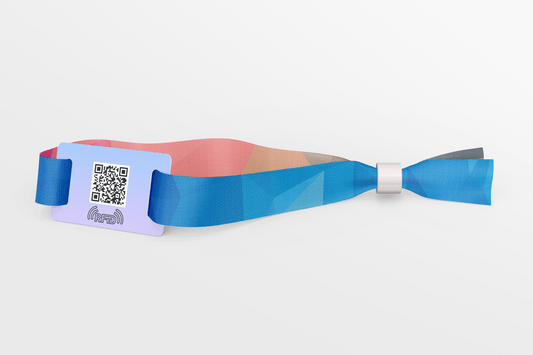
RFID- en QR-stoffen polsbandjes met kleurenprint
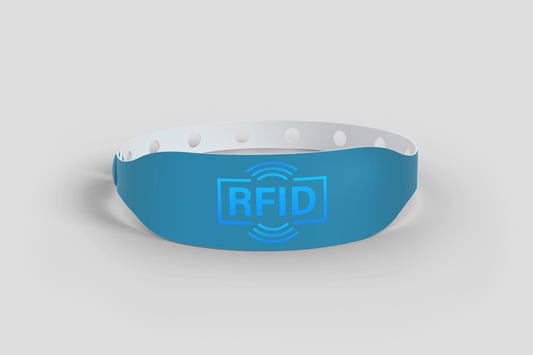
RFID-vinylpolsbandjes
NFC siliconen polsbandje JM13
NFC siliconen polsbandje JM13
Op voorraad •
Productietijd: 10-18 dagen
• Per stuk vanaf
€0,96Siliconen NFC Armband JM11
RFID- en QR-stoffen polsbandjes met kleurenprint
RFID-vinylpolsbandjes
- Productietijd 10-18 dagen
- Prijsgarantie -5%
- Betaalbare verzending
Productoverzicht
Productoverzicht
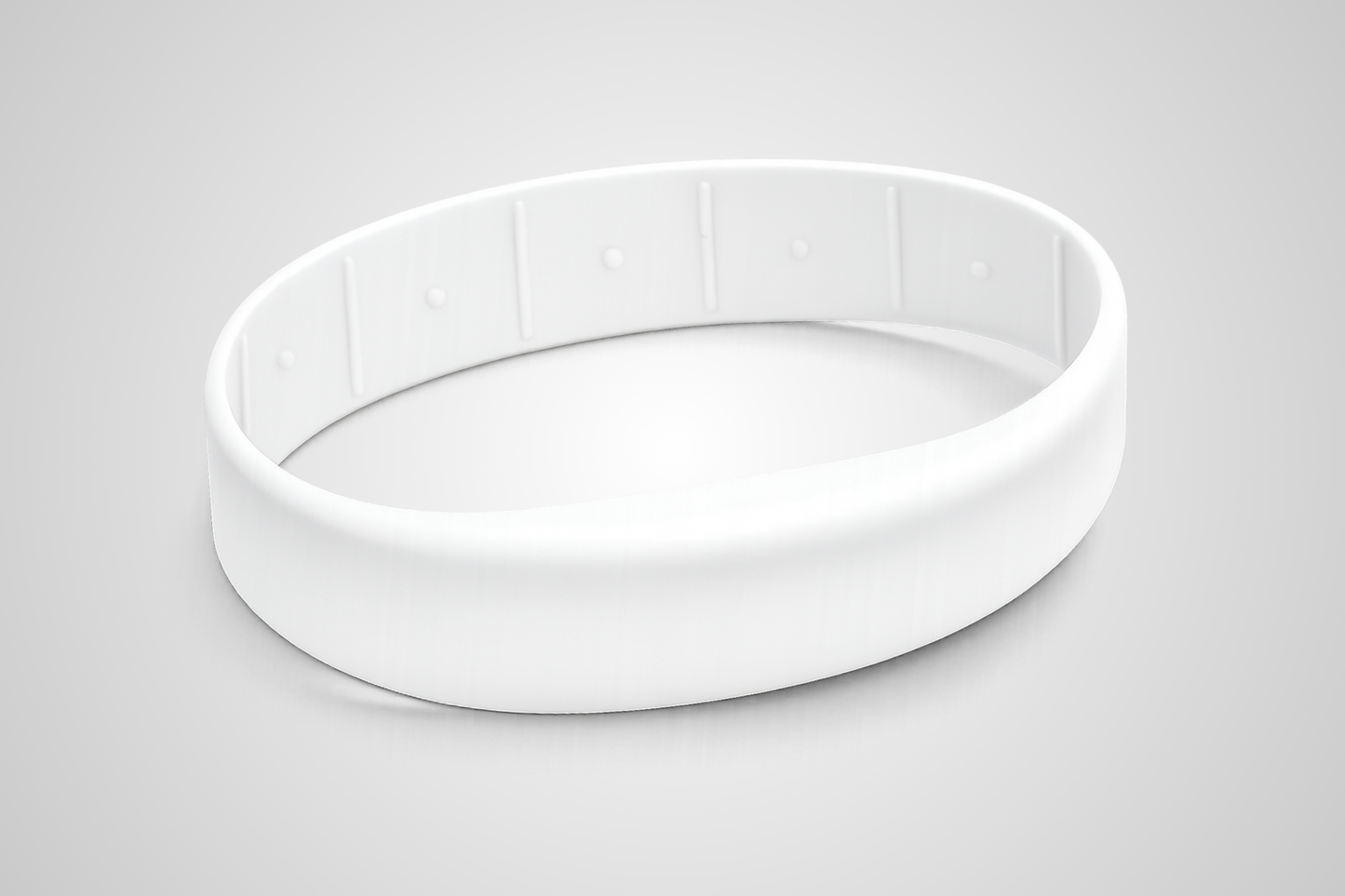
NFC siliconen polsband JM13
Duurzame NFC siliconen polsband voor toegangscontrole, ledenidentificatie en contactloos betalen.
De JM13 is ontwikkeld voor omgevingen met veel gebruikers en dagelijks gebruik. De duurzame siliconen polsband combineert comfort met een stabiele NFC-oplossing, waardoor het eenvoudig is om toegang te beheren, leden te registreren of betalingen af te handelen bij evenementen en faciliteiten.
Kenmerken
- Materiaal: Duurzame en flexibele siliconen voor dagelijks gebruik
- Formaat: 157 mm (XS), 167 mm (Kind), 184 mm (Jeugd), 195 mm (Dame), 206 mm (Heren), 215 mm (XL), 228 mm (XXL)
- Opdruk: Kan worden bedrukt met ontwerpen, tekst, logo of QR-code
- Chipopties: FM1108, MiFare Classic 1K 7B, NTAG 213, MiFare Ultralight EV1
- Productietijd: Wordt op bestelling verstrekt en is afhankelijk van de gekozen chip en print
- Levering: Snelle levering in de hele EU
- Minimale bestelling: 50 stuks
Toepassing
Geschikt voor zwembaden, fitnesscentra, scholen, verenigingen en evenementen die een stabiel toegangsbeheer vereisen.
Waarom JM Band®
JM Band® levert grondig geteste NFC- en RFID-oplossingen van hoge kwaliteit, met technische expertise en snelle levering aan klanten in heel Europa.

Heeft u het juiste aantal geselecteerd?
De product(en) zijn aan de winkelwagen toegevoegd.
| Productietijd | 10-18 dagen |
|---|---|
| Materiaal | siliconen |
| RFID | FM1108 7B — MiFare Classic® 1K 4B — NTAG 213 — MiFare Ultralight® EV1 |
| Type bevestiging | Zonder sluiting |
| Personalisatie | |
| Certificaten |


|
| Materiaalsoort | siliconen |
|---|---|
| Duurzame eigenschappen | |
| Scheursterkte | 180.0 N |
| Waterbestendigheid | Waterdicht |
| Kleurechtheid | 7/8 |
| Draagcomfort | |
| Hypoallergeen | Hypoallergenic |
| Brandvertragend | Brandvertragend |
| Temperatuurbestendigheid | -40°C tot 150°C |
| CO₂-voetafdruk | 0.039 kg CO2e |
| Drukmethode | Reliëf met kleurvulling |
|---|---|
| Aantal kleuren | 4 |
| Oppervlak | Glanzend |
| Kleurenpalet | Pantone® C |
| Krasbestendigheid | Hoog |
| Duurzaamheid van de bedrukking | 180 |
| Drukkwaliteit | Standaard |
| Specificaties | FM1108 7B | MiFare Classic® 1K 4B | NTAG 213 | MiFare Ultralight® EV1 |
|---|---|---|---|---|
| Fabrikant | Fudan | NXP | NXP | NXP |
| Frequentie | 13.56 MHz | 13.56 MHz | 13.56 MHz | 13.56 MHz |
| ISO/IEC-norm | ISO/IEC 14443A-3 (MIFARE Classic protocol) | ISO/IEC 14443A-3 (MIFARE Classic protocol) | ISO/IEC 14443A (Type A), NFC Forum Tag Type 2 | ISO/IEC 14443A (Type A) |
| Maximale leesafstand | 80.0 mm | 100.0 mm | 50.0 mm | 100.0 mm |
| Geheugencapaciteit | 1024 bytes | 1024 bytes | 144 bytes | 48,128 bytes |
| UID-lengte | 7 bytes | 4 bytes | 7 bytes | 7 bytes |
| Gegevensbescherming | Crypto-1 eigen versleuteling | Crypto-1 eigen versleuteling | 32-bits wachtwoordbeveiliging | Geen |
| Lees-/schrijfcycli | 100000 | 100000 | 100000 | 100000 |
| Certificaat 1 | |
|---|---|
| Naam |
AAA-kredietbeoordelingssysteem
|
| Uitgegeven door | dun & bradstreet |
| Certificaatnummer | JM Band 2025 |
| Geldig tot | 30. Sep 2025 |
| Beschrijving | AAA, de hoogste kredietwaardigheidsrating (2025). Deze rating wordt toegekend door Dun & Bradstreet en geeft aan dat het bedrijf een zeer sterke financiële positie heeft en over een uitstekend vermogen beschikt om aan zijn betalingsverplichtingen te voldoen. Dit is het hoogste niveau op de kredietratingschaal. |
| Certificaat 2 | |
| Naam |
EU RoHS-richtlijn (EU) 2015/863 tot wijziging van bijlage II bij Richtlijn 2011/65/EU
|
| Uitgegeven door | SGS-CSTC Standards |
| Certificaatnummer | SZXEC23001672701 |
| Beschrijving | RoHS-conformiteitstest voor oranje siliconen polsbandje volgens EU RoHS-richtlijn (EU) 2015/863 (Pb, Cd, Hg, Cr(VI), PBB's, PBDE's, DEHP, BBP, DBP, DIBP). Alle gemeten waarden liggen onder de wettelijke limieten; conclusie "Geslaagd". |
| Certificaat 3 | |
| Naam |
ISO 9001:2015
|
| Uitgegeven door | BoA |
| Certificaatnummer | 65625Q7176R0Z |
| Geldig tot | 20. Oct 2028 |
| Beschrijving | Certificering van het ISO 9001:2015-kwaliteitsmanagementsysteem van de leverancier door een externe partij, conform GB/T 19001-2016 / ISO 9001:2015. |
| Certificaat 4 | |
| Naam |
CE
|
| Beschrijving | De CE-markering is een verklaring van de fabrikant dat een product voldoet aan de gezondheids-, veiligheids- en milieunormen van de Europese Economische Ruimte (EER) en daar vrij verkocht mag worden. |
| Type | |
|---|---|
| Zonder sluiting | 
|
Veelgestelde vragen
Een NFC-siliconen polsbandje wordt doorgaans gebruikt voor toegangscontrole, identificatie en contactloze betalingen. Het polsbandje werkt als een digitale sleutel die kan worden gescand bij lezers of terminals, waardoor gebruikers snel toegang krijgen tot specifieke ruimtes, lidmaatschappen kunnen registreren of betalingen kunnen doen zonder contant geld of pasjes. Deze oplossing is vooral populair in zwembaden, fitnesscentra, scholen, festivals en evenementen waar veel mensen efficiënt moeten worden beheerd. Wanneer gebruikers simpelweg hun polsbandje scannen, worden wachtrijen en administratief werk verminderd, wat zorgt voor een soepelere ervaring voor zowel gasten als personeel.
Het NFC-siliconen polsbandje JM13 kan worden geleverd met verschillende chiptypes die aansluiten op het reeds gebruikte toegangscontrole- of betalingssysteem. De meest voorkomende opties zijn FM1108, MiFare Classic 1K 7B, NTAG 213 en MiFare Ultralight EV1. De keuze van de chip hangt af van de systeemcompatibiliteit en de vereiste functionaliteit. Sommige chips worden voornamelijk gebruikt voor toegangscontrolesystemen, terwijl andere geschikt zijn voor eenvoudigere identificatie- of betaaloplossingen. Bij JM Band® helpen we u graag bij het selecteren van de juiste chip, zodat de polsband betrouwbaar werkt met uw bestaande systeem.
Ja, de JM13 kan gepersonaliseerd worden met een opdruk, zodat de polsband perfect aansluit bij uw merk of evenement. Logo's, tekst, kleurcodes of QR-codes kunnen direct op de polsband worden gedrukt, waardoor deze zowel praktisch als visueel herkenbaar is. De opdruk kan ook een functioneel doel dienen, zoals het identificeren van verschillende toegangsniveaus, lidmaatschapscategorieën of VIP-zones. Dit betekent dat de polsband niet alleen functioneert als een technisch toegangsmiddel, maar ook als een zichtbaar onderdeel van de identiteit van uw evenement, locatie of organisatie.
Ja, NFC siliconen polsbanden zijn ontworpen voor omgevingen met veel gebruikers en frequent dagelijks gebruik. Silicone is een flexibel en duurzaam materiaal dat bestand is tegen water, zweet en herhaald gebruik zonder aan comfort of functionaliteit in te boeten. Dit maakt de polsband ideaal voor locaties zoals zwembaden, fitnesscentra, wellnesscentra en sportlocaties waar gebruikers de polsband vaak gedurende langere tijd dragen. Tegelijkertijd blijft de polsband stevig om de pols zitten, waardoor het risico op verlies van toegangskaarten kleiner wordt en de oplossing praktisch is in drukke omgevingen.
-

Polsbandjes
Wij hebben tevreden klanten JM Band® biedt flexibele polsbandoplossingen voor evenementen en...
-

Jeton & muntjes bedrukken
Tokens, munten en Jettons JM band® behoort tot de toonaangevende leveranciers van...


